Glossary: Satoshi

A satoshi is the smallest unit of Bitcoin, equal to 0.00000001 BTC—named after Bitcoin’s mysterious creator, Satoshi Nakamoto.
Your Guide to Solo Mining
A satoshi is the smallest unit of Bitcoin, equal to 0.00000001 BTC—named after Bitcoin’s mysterious creator, Satoshi Nakamoto.
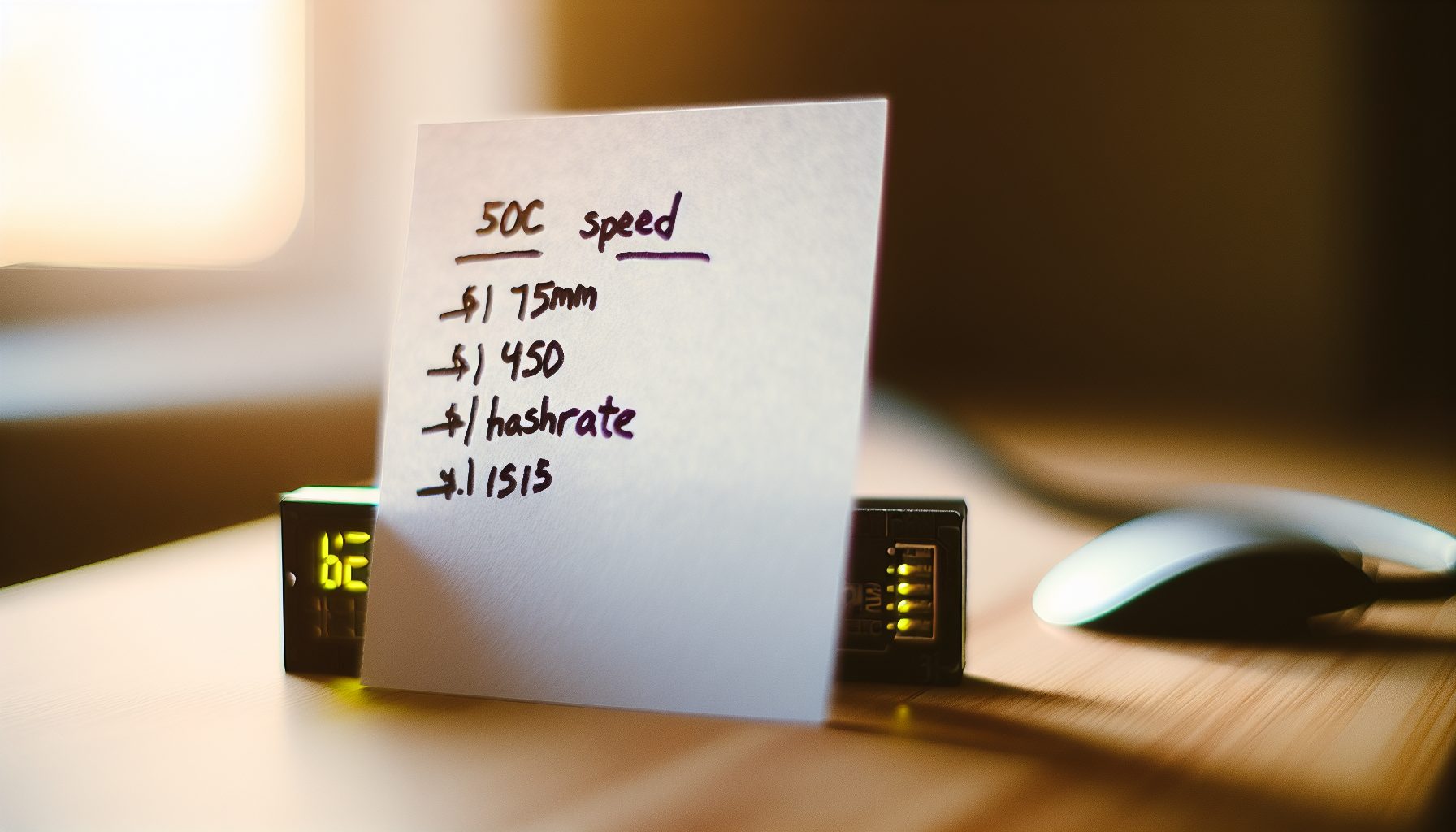
Hash rate units measure mining speed from KH/s (thousand) to TH/s (trillion hashes per second), helping you understand your hardware’s computational power.

Mining software connects your hardware to the blockchain network, performs hash calculations, and submits valid blocks you find.

A mining calculator estimates potential mining rewards based on your hashrate, power costs, and network difficulty—essential math before solo mining.

A block explorer is a search engine for blockchain data that lets you track transactions, blocks, and mining activity in real-time.
A crypto wallet stores your private keys and lets you receive block rewards from solo mining—essential for claiming your coins if you hit a block.
Hot wallets stay online for quick access while cold wallets store crypto offline for maximum security—critical choice for solo miners protecting rewards.

Detailed lolMiner configuration for solo mining Ergo, Flux, and Alephium. Real hashrates, exact settings, and honest profitability math from actual testing.
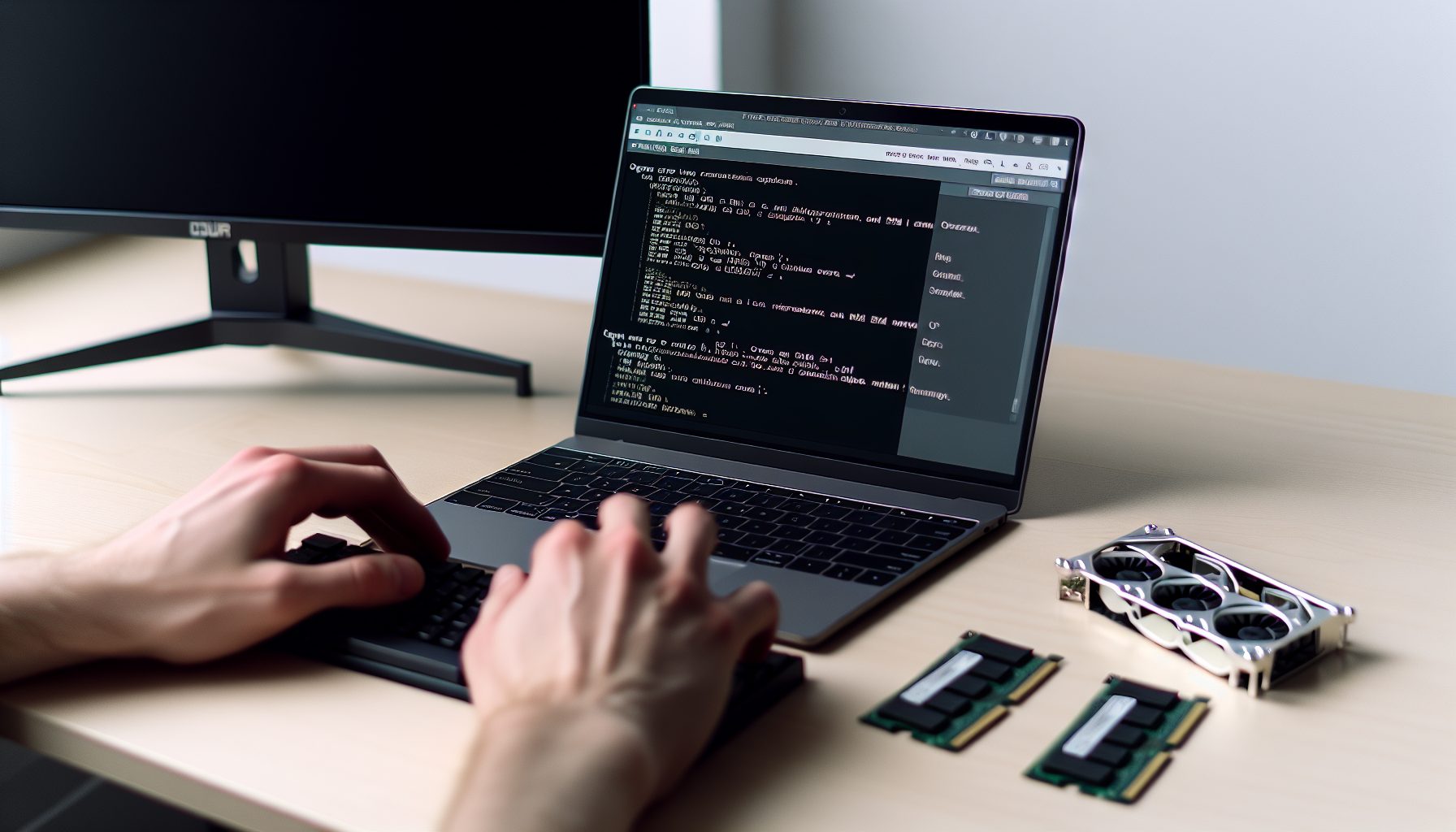
Configure XMRig for solo mining Monero with RandomX optimization. CPU tuning, huge pages, and real hashrate tweaks from a 13-year-old who learned the hard way.

Learn how to configure BFGMiner for solo mining with both stratum proxy and full node connections. Complete setup guide with command examples and troubleshooting.