Glossary: Bitaxe
An open-source, compact Bitcoin ASIC miner designed for home solo mining, using single mining chips to deliver 200-700 GH/s at ultra-low power consumption.
Your Guide to Solo Mining
An open-source, compact Bitcoin ASIC miner designed for home solo mining, using single mining chips to deliver 200-700 GH/s at ultra-low power consumption.
A DIY Bitcoin mining device built from cheap microcontrollers like ESP32 boards that solo mines with extremely low hashrate for educational purposes.
Pushing your mining hardware beyond factory settings to increase hashrate, which boosts your chances but uses more power and generates more heat.
Reducing GPU or ASIC voltage to lower power consumption while maintaining hashrate, improving efficiency and reducing heat.
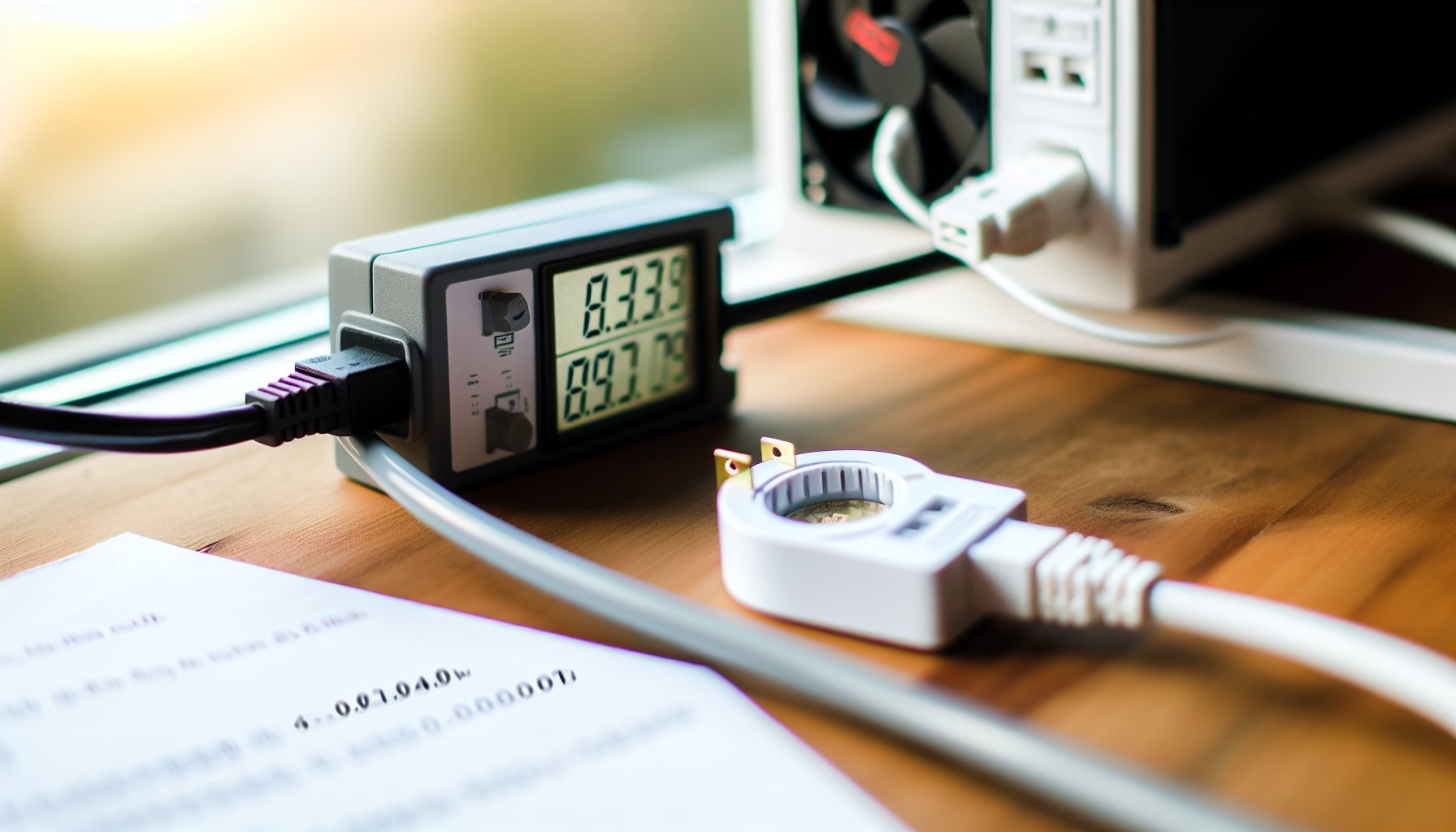
A measure of mining hardware energy efficiency showing how many joules of electricity are needed to compute one terahash of hashing power.
The memory file used by Ethash algorithm GPUs that grows over time, determining minimum VRAM requirements for mining certain cryptocurrencies.
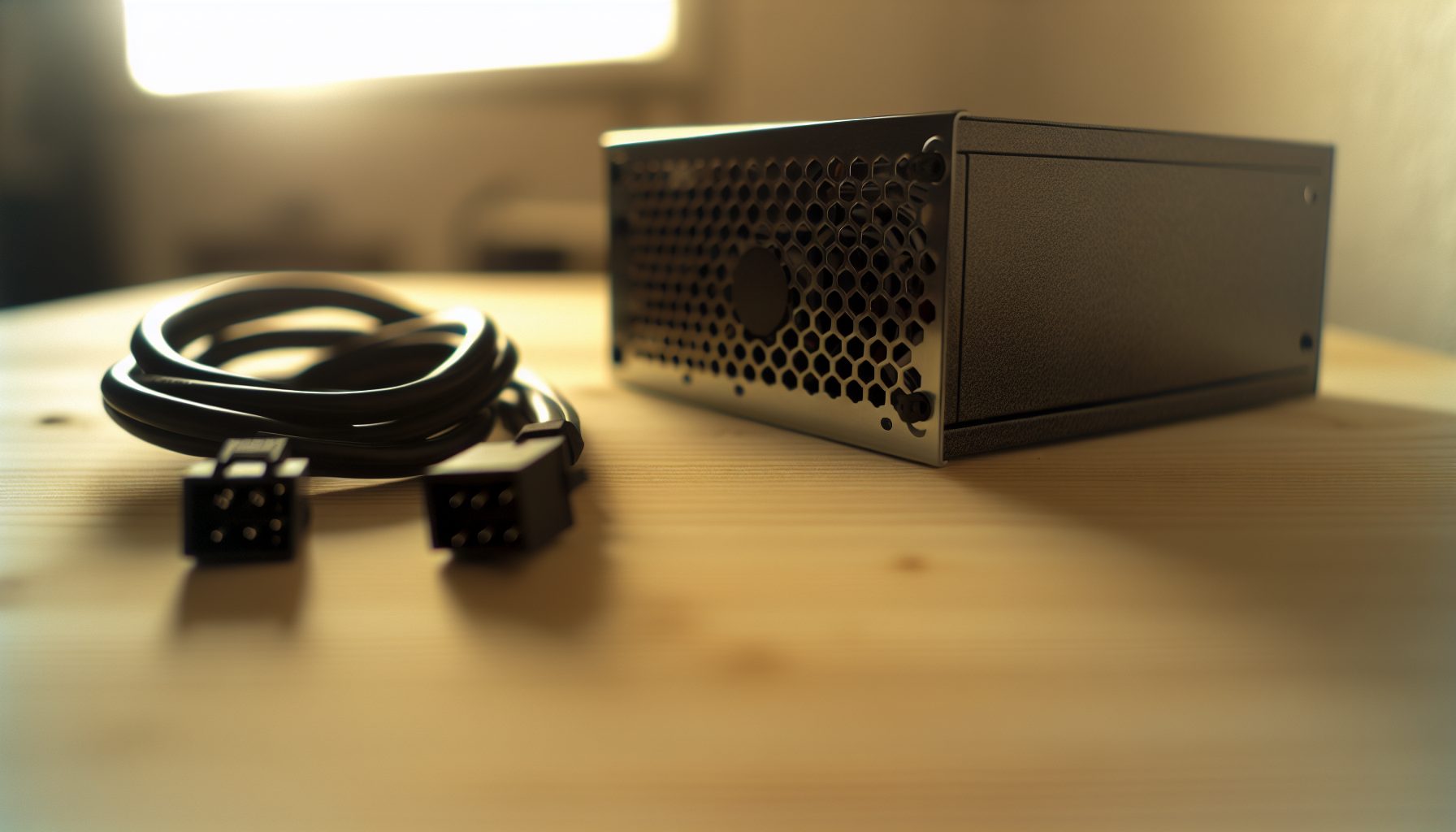
A PSU converts wall power into the specific voltages your mining hardware needs to run, delivering stable electricity to keep your operation hashing 24/7.
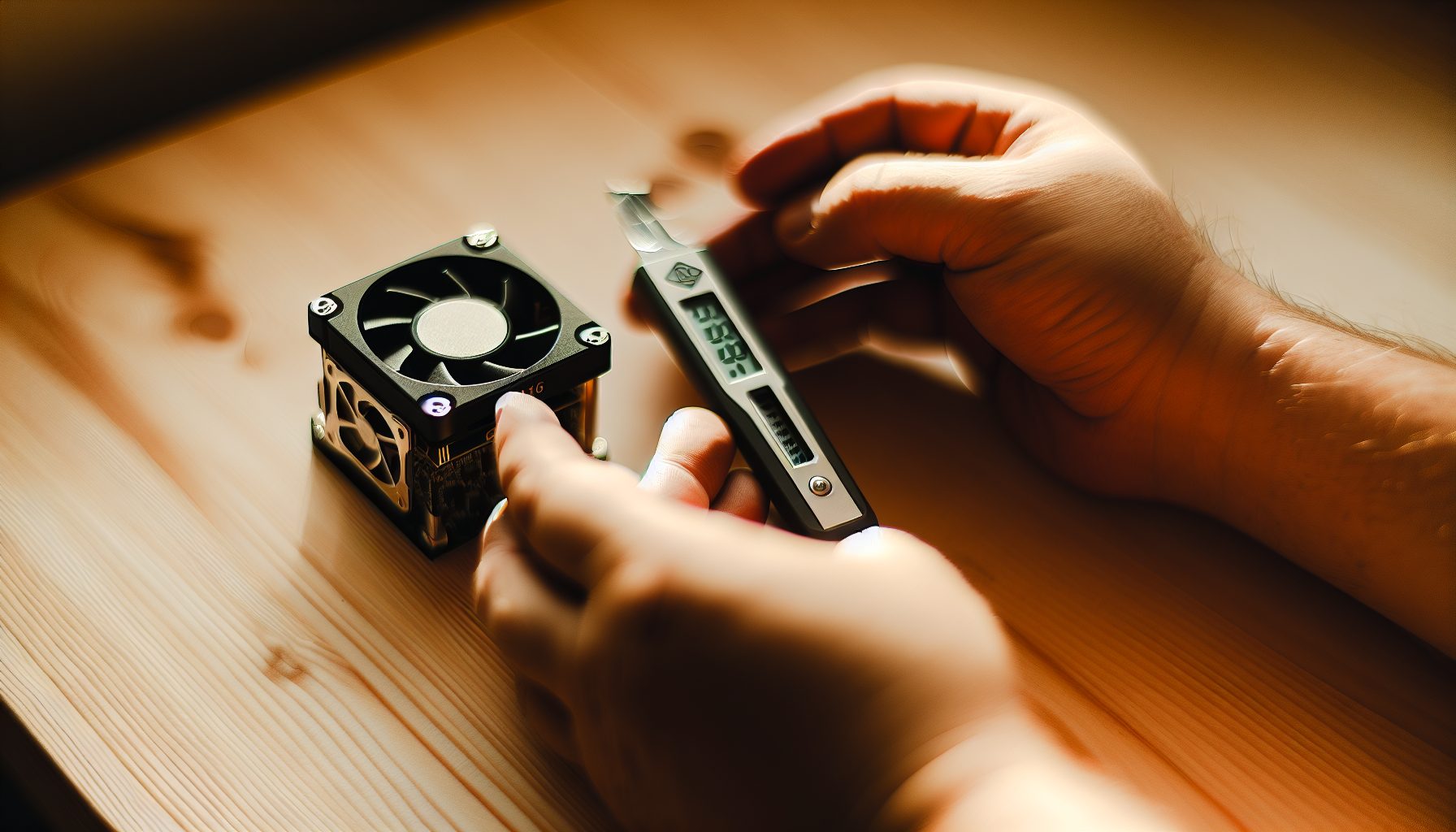
When mining hardware automatically reduces performance to prevent overheating and damage from excessive heat buildup.

Mining cryptocurrency independently without joining a pool, keeping full block rewards but facing high variance and unpredictable payouts.

A nickname for solo mining that compares it to playing the lottery — you have a tiny chance of winning big with each block attempt.