One-Sentence Definition
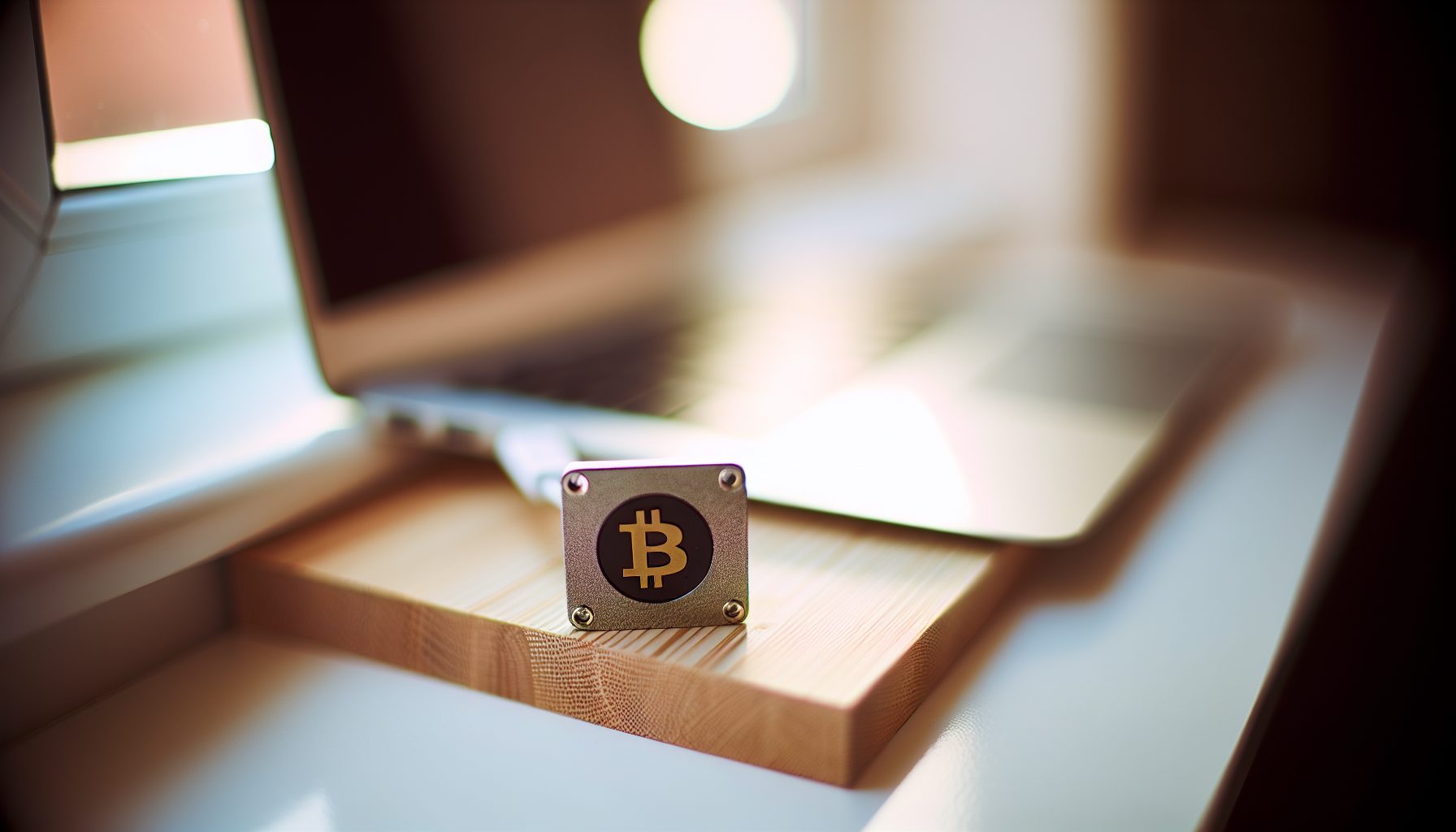
A USB miner is a small, plug-and-play cryptocurrency mining device that connects via USB port and performs hash calculations using specialized chips, typically consuming just a few watts of power.
Why It Matters for Solo Mining
USB miners are popular entry points for lottery mining because they’re cheap, quiet, and don’t require complicated setups like dedicated power supplies or cooling systems. While their hashrate is incredibly small compared to industrial miners, they let you participate in solo mining with basically zero electricity cost and almost no technical barriers. For many people, USB miners are more about the fun of learning and the tiny chance of hitting a solo block than making profit.
How It Works
USB miners contain ASIC chips (specialized processors built only for mining) that connect to your computer through a standard USB port. The USB connection provides both power and data communication—your computer sends mining work to the device via software, and the USB miner calculates hashes and returns any valid results. Most USB miners produce hashrates between 300 GH/s to 3 TH/s for Bitcoin, which sounds like a lot until you compare it to the network hashrate of hundreds of exahashes.
Because they’re powered entirely through USB (usually 5-15 watts), USB miners won’t spike your electricity bill, but they also generate some heat—though nothing that requires special cooling. Popular examples include devices like the GekkoScience Compac series and early Block Erupters. More modern educational devices like the NerdMiner and Bitaxe are technically not USB-powered but serve a similar “hobby miner” purpose.
You’ll typically connect USB miners to mining software through a solo pool or directly to your Bitcoin node using the Stratum protocol. The expected time to block for a USB miner is measured in thousands of years, so it’s purely about the luck factor.
Example
Imagine you buy a GekkoScience Compac F for about $50. It does roughly 300 GH/s while sipping 10 watts from your laptop’s USB port. You point it at a solo pool, and it quietly hums along calculating hashes. Your actual chance of finding a Bitcoin block is microscopic—like buying one lottery ticket when billions are sold—but it costs you maybe $1 per year in electricity and teaches you how mining really works without a massive investment.