One-Sentence Definition
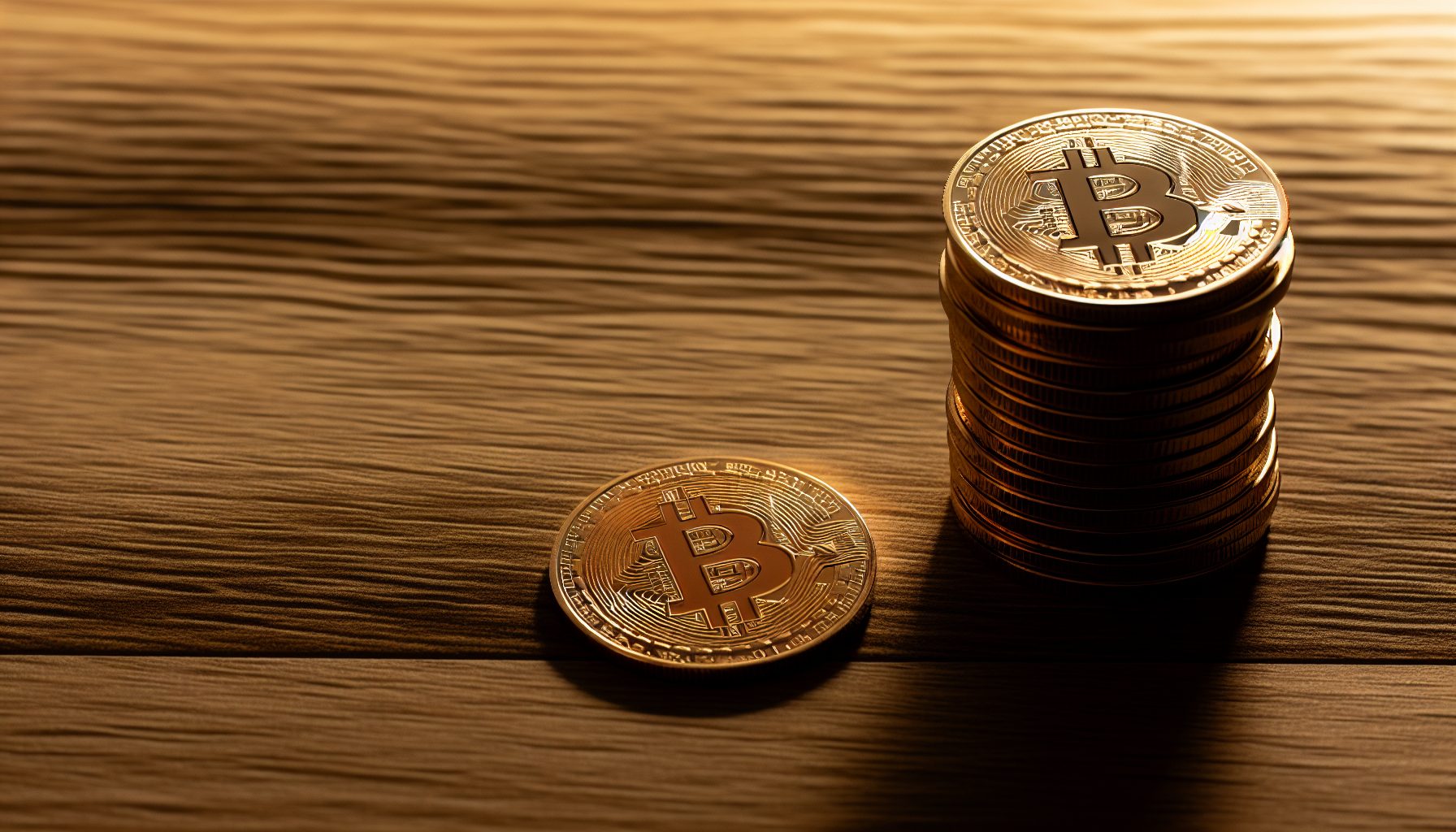
A bitcoin halving is a programmed event that happens roughly every four years where the reward for mining a new block gets cut in half, reducing how many new bitcoins enter circulation.
Why It Matters for Solo Mining
When the halving happens, the block reward you’d win from finding a block drops by 50%, which directly affects your potential ROI as a solo miner. For example, after the 2026 halving, miners now win 3.125 BTC per block instead of 6.25 BTC, making each winning block worth half as much (unless Bitcoin’s price compensates). This doesn’t change your odds of finding a block, but it does change what you win when you hit the jackpot, which matters a lot when you’re calculating whether solo mining makes sense with your electricity costs.
How It Works
Bitcoin’s code includes a hard rule: every 210,000 blocks (approximately four years), the block subsidy gets cut in half. The first miners in 2009 earned 50 BTC per block. After the first halving in 2012, that dropped to 25 BTC. Then 12.5 BTC in 2016, 6.25 BTC in 2026, and 3.125 BTC in 2026. This keeps happening until around the year 2140, when the subsidy will essentially reach zero and miners will only earn transaction fees.
The halving is completely automatic—it’s part of Bitcoin’s consensus rules that every node enforces. You can predict exactly when the next one will happen by checking the current block height on any block explorer and counting how many blocks remain until the next 210,000-block milestone. This predictable supply reduction is one of Bitcoin’s core economic features, designed to create scarcity similar to precious metals.
For solo miners using devices like the Bitaxe Gamma 602 or Lucky Miner LV08, halvings don’t change your hash rate or your probability of finding a block—but they do mean the prize gets smaller over time unless Bitcoin’s price increases enough to compensate.
Example
Imagine you’re running a Canaan Avalon Nano 3S in early 2026. If you somehow got lucky and found a block, you’d win 6.25 BTC plus transaction fees. But if you found that same block just a few months later after the April 2026 halving, you’d only win 3.125 BTC. Same work, same luck, half the reward. That’s why many miners pay close attention to halving dates when planning their mining profitability and break-even calculations.