One-Sentence Definition
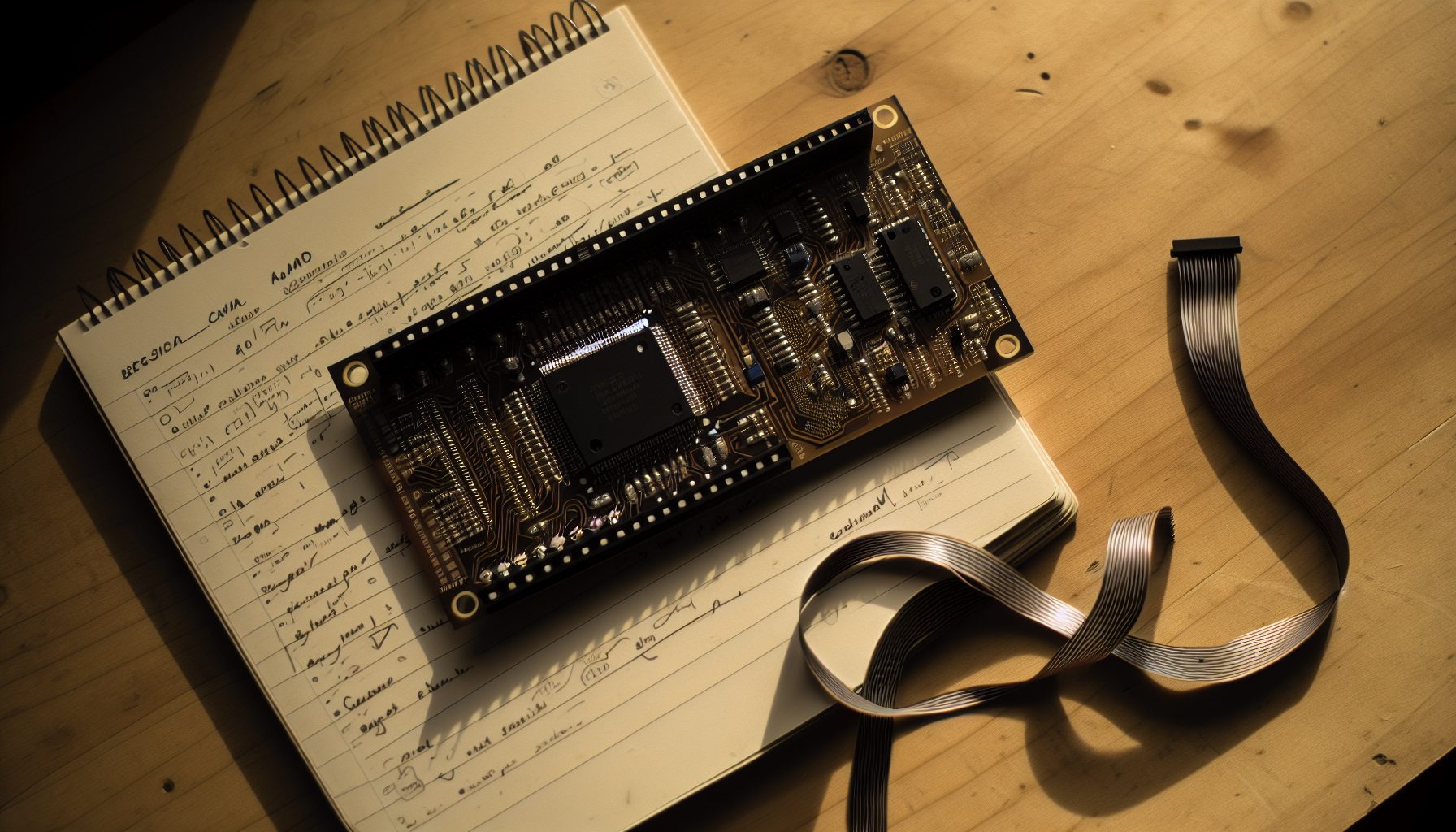
An FPGA (Field-Programmable Gate Array) is a reprogrammable computer chip that can be configured to perform specific tasks like crypto mining, sitting somewhere between the flexibility of GPUs and the efficiency of ASICs.
Why It Matters for Solo Mining
FPGAs are interesting for solo mining because they can be reconfigured to mine different algorithms without buying new hardware—if one coin becomes unprofitable or too difficult, you can reprogram the same chip. They’re more efficient than GPUs but way more flexible than ASICs, which are locked into one algorithm forever. For hobbyist solo miners experimenting with smaller coins, FPGAs offer a middle ground, though they’re pretty rare in Bitcoin mining these days since ASICs dominate completely.
How It Works
Think of an FPGA as a bunch of digital building blocks that you can wire together however you want through programming. Unlike a CPU or GPU where the circuits are fixed, an FPGA lets you design custom circuits that are optimized specifically for mining a particular algorithm. You load what’s called a “bitstream” onto the FPGA—basically instructions that configure how all those blocks connect—and suddenly your chip becomes a specialized mining machine.
For FPGA mining, developers write these bitstreams in hardware description languages to create efficient mining circuits. The same physical chip can mine SHA-256 one day, then be reprogrammed to mine Ethash or another algorithm the next. This flexibility comes with tradeoffs though—FPGAs are more expensive than GPUs, harder to program (you can’t just download normal mining software), and still less efficient than dedicated ASICs for any specific algorithm.
The configuration process requires technical knowledge, and finding optimized bitstreams for mining can be challenging. Performance varies based on the FPGA model and how well the bitstream is optimized, similar to how overclocking affects other mining hardware.
Example
Imagine LEGO blocks versus a pre-built plastic toy. An ASIC is like that plastic toy—it’s great at being exactly what it is, but you can’t change it. A GPU is like having some LEGO sets with instructions—you can build different things, but you’re somewhat limited. An FPGA is like having a huge bin of LEGO Technic pieces—you can build almost anything, but you need to know what you’re doing and it takes way more effort. In the early 2010s, before Bitcoin ASICs existed, FPGAs were actually the serious miner’s choice, offering much better efficiency than GPUs while maintaining some flexibility.
Related Terms
- Joules per Terahash (J/TH) – Efficiency metric where FPGAs typically fall between GPUs and ASICs
- Network Hashrate – Total mining power, where ASICs have pushed out FPGAs on major networks
- Lottery Mining – Style of mining where FPGA flexibility might appeal to experimental miners
- Power Supply Unit (PSU) – FPGAs need stable power delivery for reliable operation
- Thermal Throttling – FPGAs can overheat and reduce performance if not properly cooled