Glossary: Scrypt
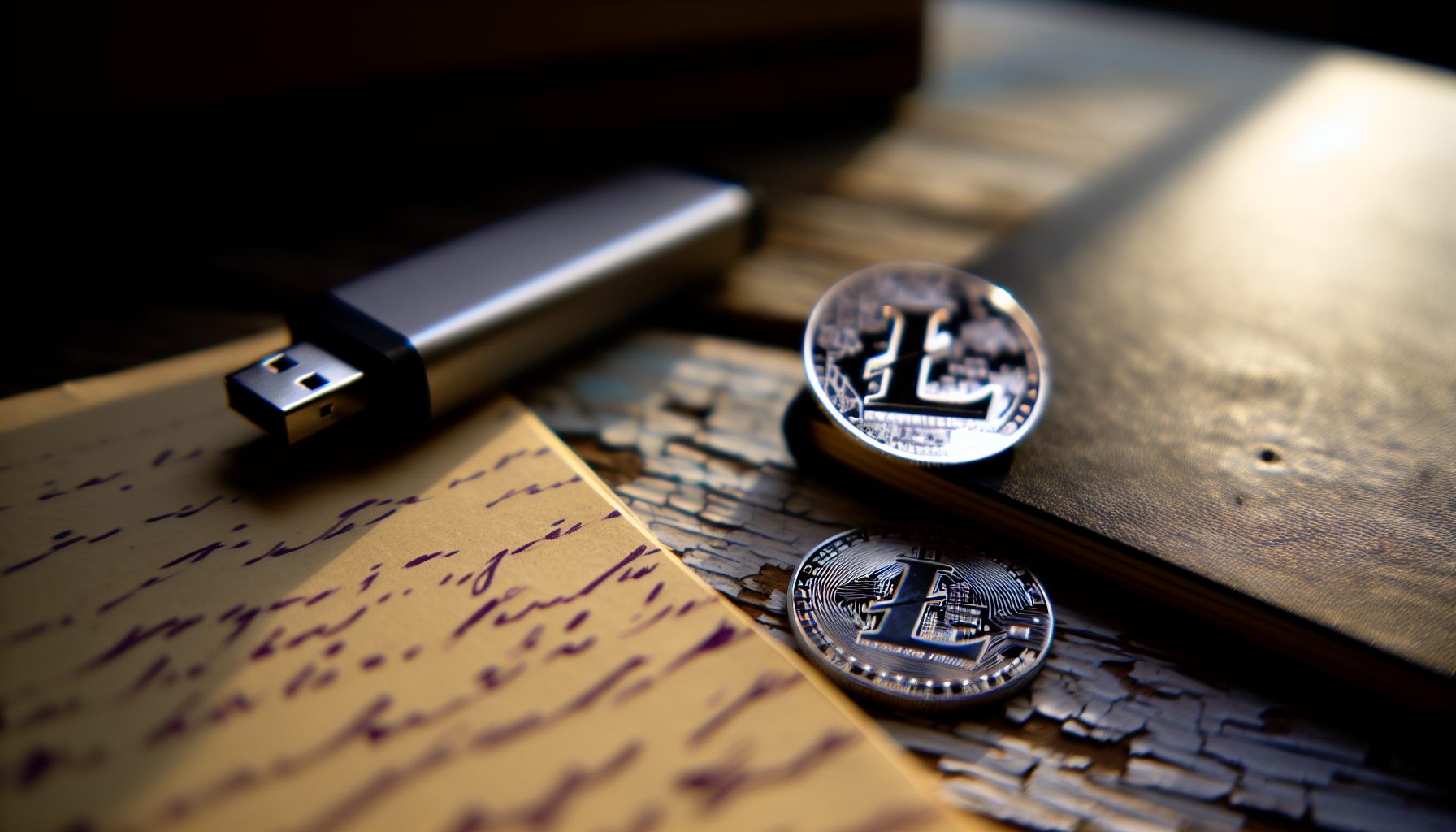
Scrypt is a memory-hard mining algorithm designed to resist ASICs, originally used by Litecoin and other cryptocurrencies.
Your Guide to Solo Mining
 Makar
Makar
Scrypt is a memory-hard mining algorithm designed to resist ASICs, originally used by Litecoin and other cryptocurrencies.
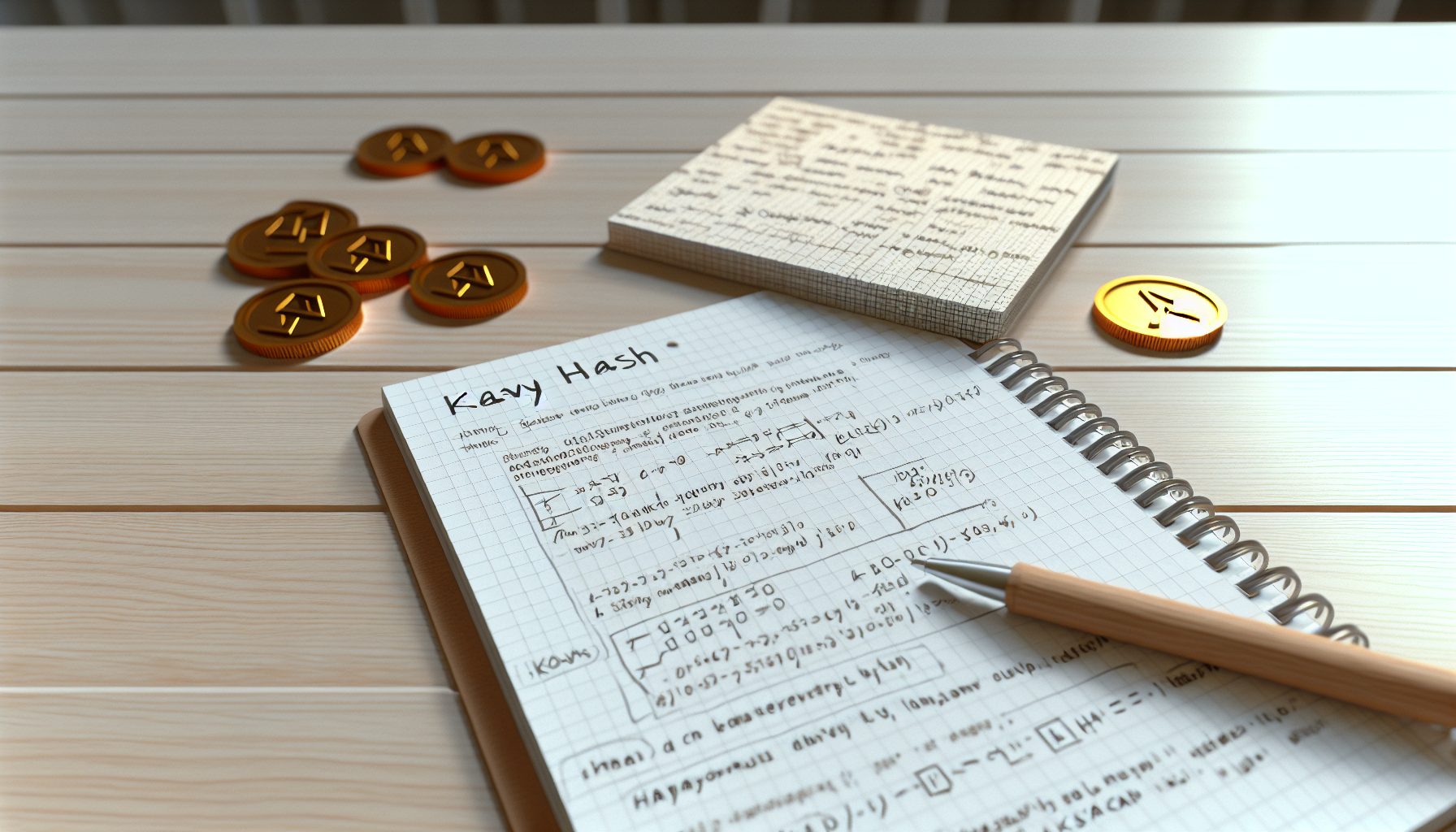
KHeavyHash is a memory-hard mining algorithm used by Kaspa that combines hashing with matrix operations to resist ASIC dominance while favoring GPUs.

Autolykos is Ergo’s ASIC-resistant mining algorithm that uses memory-hard computations, designed specifically for GPU mining with built-in adjustable difficulty.
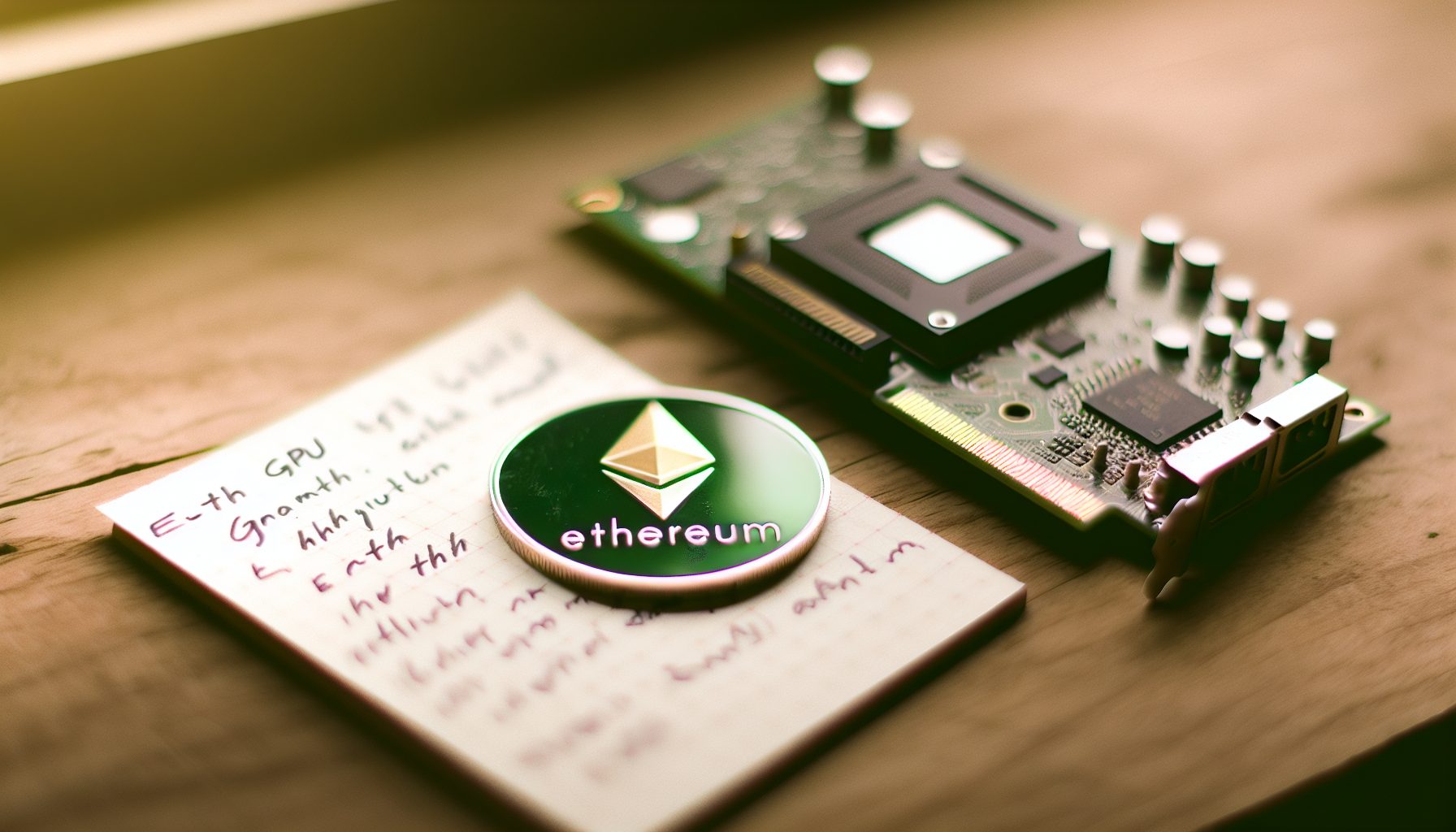
Ethash and Etchash are memory-hard mining algorithms designed for GPU mining, originally used by Ethereum and now by Ethereum Classic.

A consensus mechanism where validators lock up cryptocurrency to secure the network instead of using mining hardware to solve puzzles.
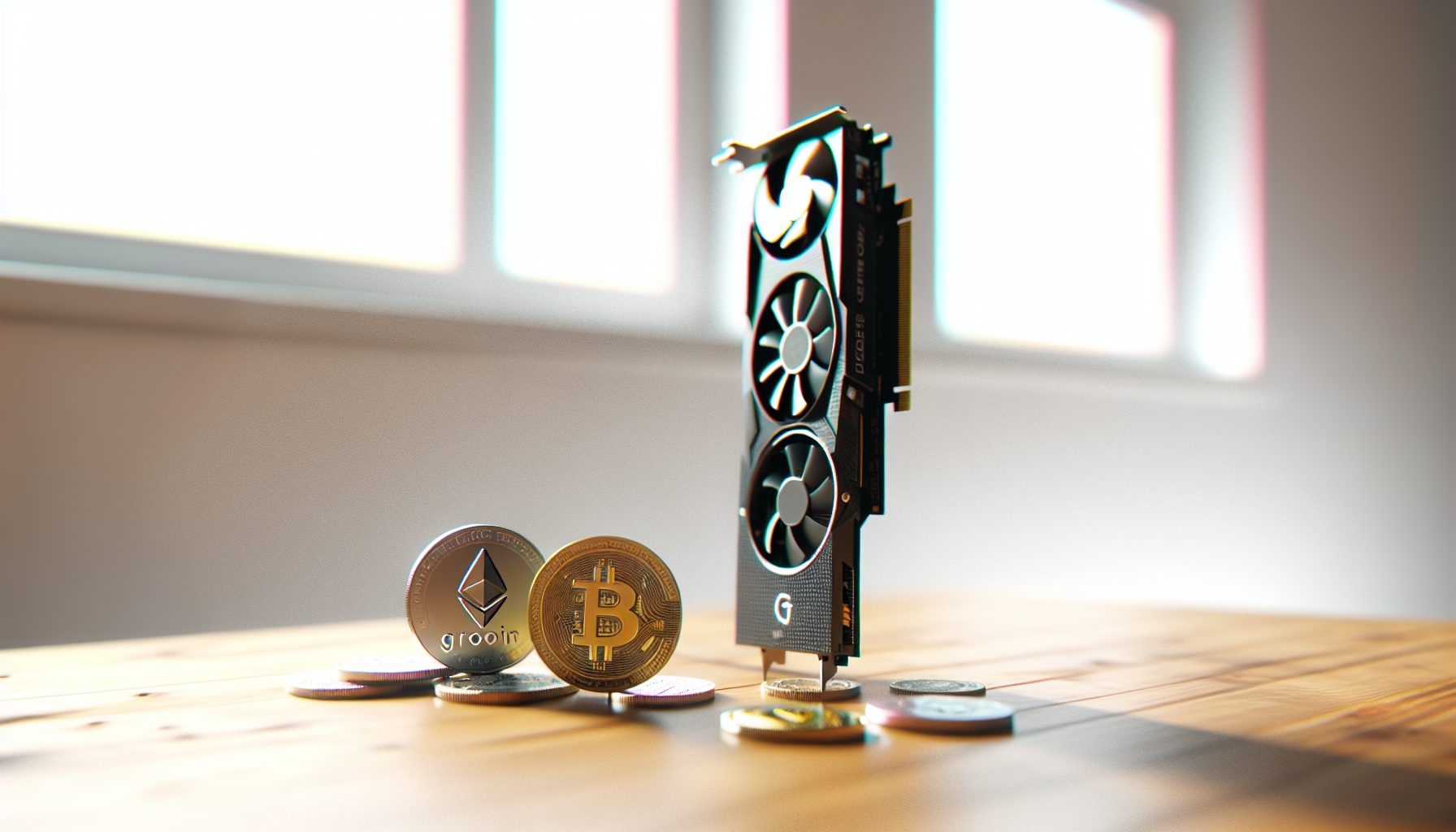
Mining cryptocurrency using graphics processing units (GPUs) designed for parallel computing tasks like rendering and hashing algorithms.
A USB miner is a compact cryptocurrency mining device that plugs into a USB port and performs basic hash calculations with minimal power usage.
A DIY Bitcoin mining device built from cheap microcontrollers like ESP32 boards that solo mines with extremely low hashrate for educational purposes.
Reducing GPU or ASIC voltage to lower power consumption while maintaining hashrate, improving efficiency and reducing heat.
The memory file used by Ethash algorithm GPUs that grows over time, determining minimum VRAM requirements for mining certain cryptocurrencies.