Glossary: FPGA
FPGA (Field-Programmable Gate Array) is a reprogrammable chip that can be configured for crypto mining, offering flexibility between ASICs and GPUs.
Your Guide to Solo Mining
 Hugo
Hugo
FPGA (Field-Programmable Gate Array) is a reprogrammable chip that can be configured for crypto mining, offering flexibility between ASICs and GPUs.
An open-source, compact Bitcoin ASIC miner designed for home solo mining, using single mining chips to deliver 200-700 GH/s at ultra-low power consumption.
Pushing your mining hardware beyond factory settings to increase hashrate, which boosts your chances but uses more power and generates more heat.
A measure of mining hardware energy efficiency showing how many joules of electricity are needed to compute one terahash of hashing power.
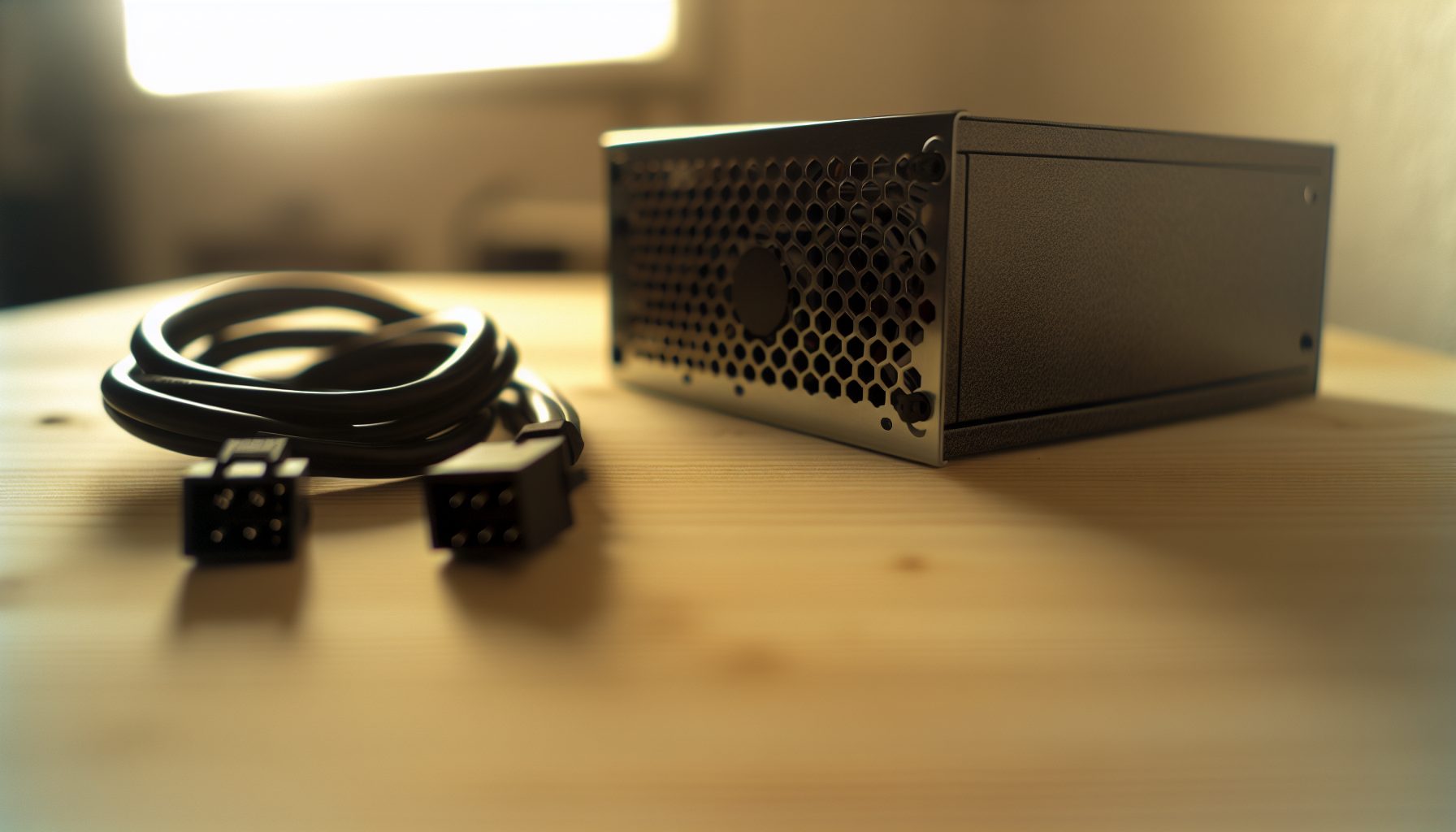
A PSU converts wall power into the specific voltages your mining hardware needs to run, delivering stable electricity to keep your operation hashing 24/7.

Mining cryptocurrency independently without joining a pool, keeping full block rewards but facing high variance and unpredictable payouts.

A mining pool that lets you solo mine while handling the technical setup, paying full block rewards minus a small fee if you find a block.

The average time it should take your mining hardware to find a block based on your hashrate versus the network’s total hashrate.

Mining luck measures how quickly you find a block compared to statistical expectations based on your hashrate and network difficulty.
A mining share is proof your hardware attempted to solve a block, used by pools to track work—but solo miners submit only valid blocks.