One-Sentence Definition
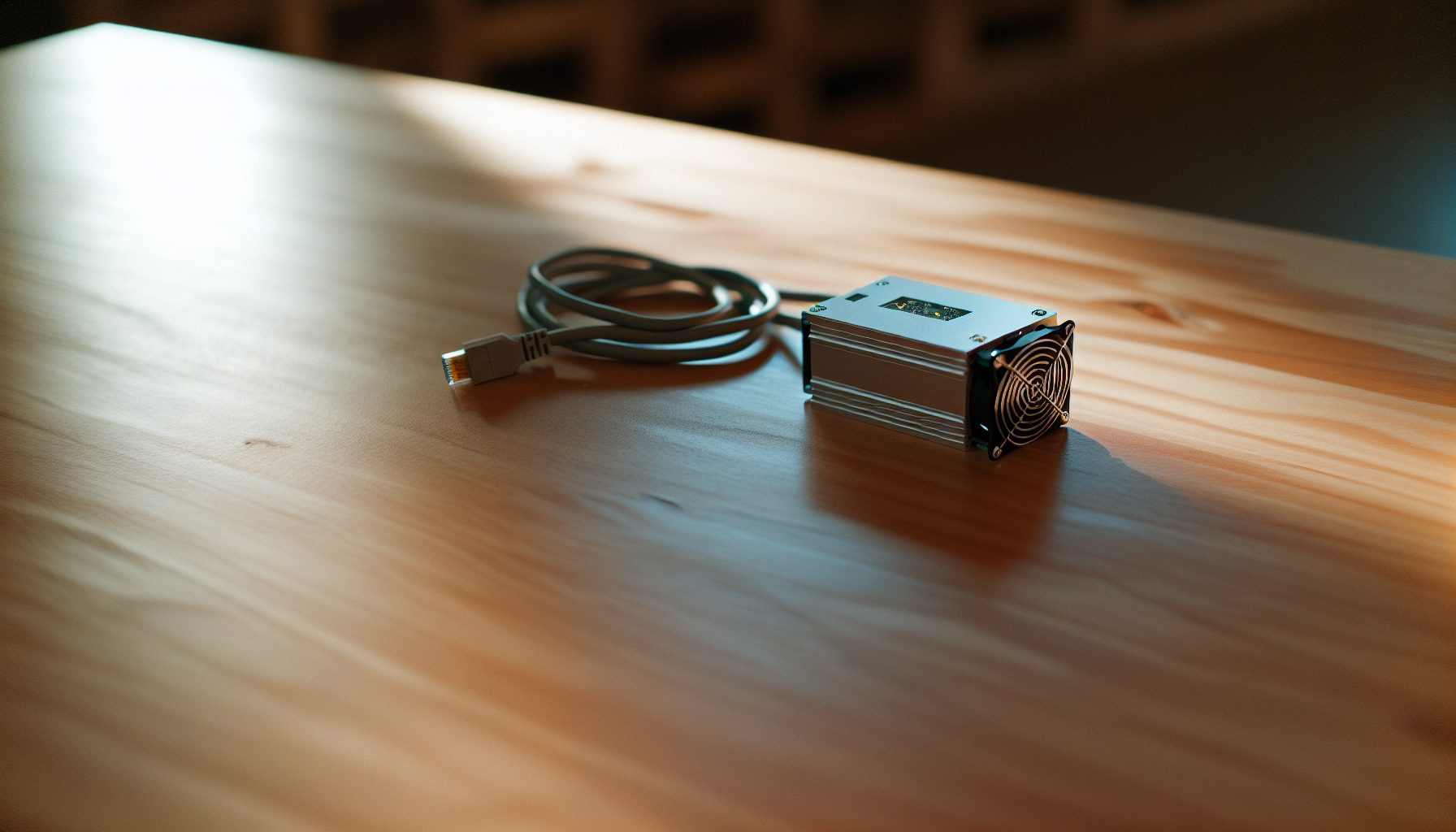
An ASIC miner (Application-Specific Integrated Circuit) is a piece of mining hardware designed to perform one specific cryptocurrency mining algorithm extremely fast and efficiently, unlike general-purpose computers or GPUs.
Why It Matters for Solo Mining
If you’re solo mining Bitcoin, an ASIC miner is basically required because the network hashrate is so high that even powerful GPUs would take millions of years to find a block. ASIC miners give you a top shot at actually winning the lottery and finding a solo block, though your expected time to block still depends on how much hashrate you have compared to the entire network. For smaller coins that are ASIC-resistant, you might stick with GPU mining instead.
How It Works
Unlike a CPU or GPU that can run games, browse the web, or mine different coins, an ASIC miner has circuits physically built into the chip to do one thing: calculate hashes for a specific algorithm like SHA-256 (Bitcoin) or Scrypt (Litecoin). This specialization makes them thousands of times faster and more power-efficient than general-purpose hardware. You measure their efficiency in joules per terahash (J/TH)—the lower the number, the less electricity you waste per unit of mining power.
ASIC miners need a solid power supply unit (PSU) because they draw a lot of electricity, and they generate tons of heat that requires cooling fans. Some miners experiment with overclocking or undervolting their ASICs to squeeze out better performance or efficiency, though you risk thermal throttling if temperatures get too high.
Example
The Antminer S19 is a popular ASIC miner for Bitcoin that produces around 110 TH/s (terahashes per second). Meanwhile, a Bitaxe is a tiny DIY ASIC miner that only does about 0.5 TH/s but costs way less and uses minimal power—perfect for lottery mining. On the opposite end of the spectrum, devices like NerdMiner aren’t true ASICs at all—they’re microcontrollers mining for fun, not profit.