One-Sentence Definition
A hot wallet is a cryptocurrency wallet connected to the internet for quick transactions, while a cold wallet stores your crypto offline for maximum security against hacks and theft.
Why It Matters for Solo Mining
When you’re solo mining, every block reward you eventually hit goes directly to your wallet address—and if you win a full block on Bitcoin or another valuable coin, we’re talking thousands of dollars appearing instantly, though solo mining is inherently a high-variance, lottery-like activity where rewards are probabilistic and may not materialize for extended periods depending on your hashrate and network difficulty. You need a hot wallet connected to your mining software to receive payouts, but keeping large amounts in that hot wallet is like leaving cash on your front porch. Most smart solo miners use a hot wallet for receiving mining rewards, then regularly transfer accumulated funds to a cold wallet for long-term storage.
How It Works
Hot wallets are software applications on your computer or phone (like Electrum, Exodus, or even exchange wallets) that stay connected to the blockchain network. They hold your private keys in an internet-connected environment, which makes sending and receiving crypto super convenient—you can configure your CGMiner or XMRig to pay out to a hot wallet address instantly. The downside? If malware infects your computer or someone hacks the service, your funds can disappear in seconds.
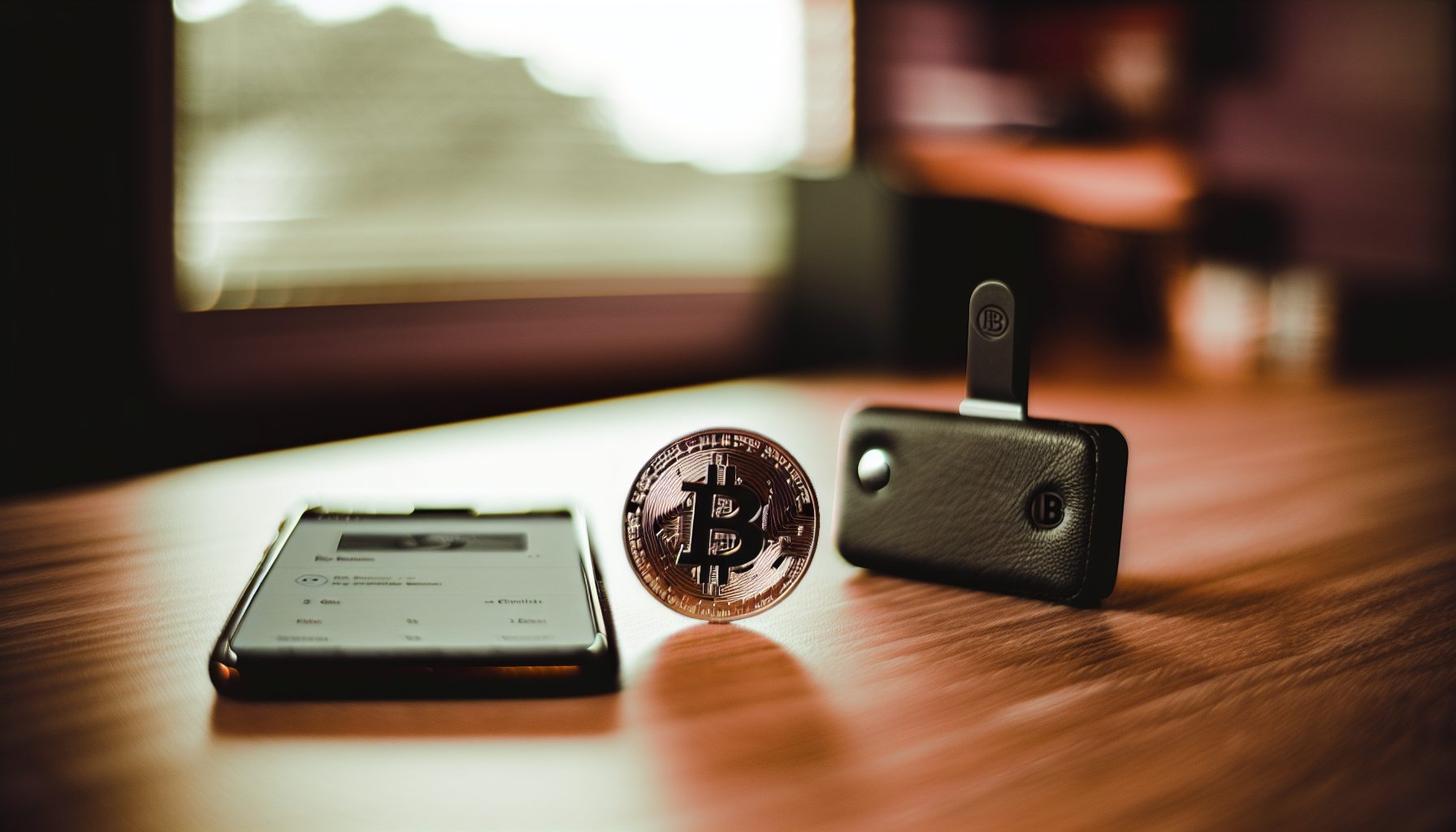
Cold wallets, on the other hand, keep your private keys completely offline. Hardware wallets like Ledger or Trezor are the most popular type—they’re basically USB devices that sign transactions without ever exposing your keys to the internet. Paper wallets (literally printing your keys on paper) are another cold storage method, though less convenient. When you want to spend from a cold wallet, you physically connect the device, approve the transaction, then disconnect it again.
The security difference is massive: hot wallets are vulnerable to remote attacks, phishing, and exchange hacks, while cold wallets can only be compromised if someone physically steals the device AND cracks your PIN. For solo miners running setups like an Antminer S21 or FutureBit Apollo II, the strategy is simple: hot wallet for daily mining operations, cold wallet for everything else.
Example
Imagine you’re solo mining Kaspa with an IceRiver KS3. You configure your miner to send rewards to a hot wallet on your PC—this way, when you hit a block, the payout arrives immediately and you can see your balance. Every week, once you’ve accumulated a decent amount, you transfer those coins to your Ledger hardware wallet (cold storage) that stays in your desk drawer. The hot wallet is your “checking account” for active mining, the cold wallet is your “savings account” for holding wealth. If your computer gets hacked, you only lose what’s in the hot wallet, not your entire mining history.
Related Terms
- Private Key: The secret code that proves you own cryptocurrency in a wallet
- Block Reward: The cryptocurrency payment miners receive for finding a valid block
- Mining Payout Address: The wallet address where your mining software sends earned rewards
- Hardware Wallet: A physical device that stores cryptocurrency private keys offline
- Seed Phrase: The backup words that can restore access to your wallet if you lose the device